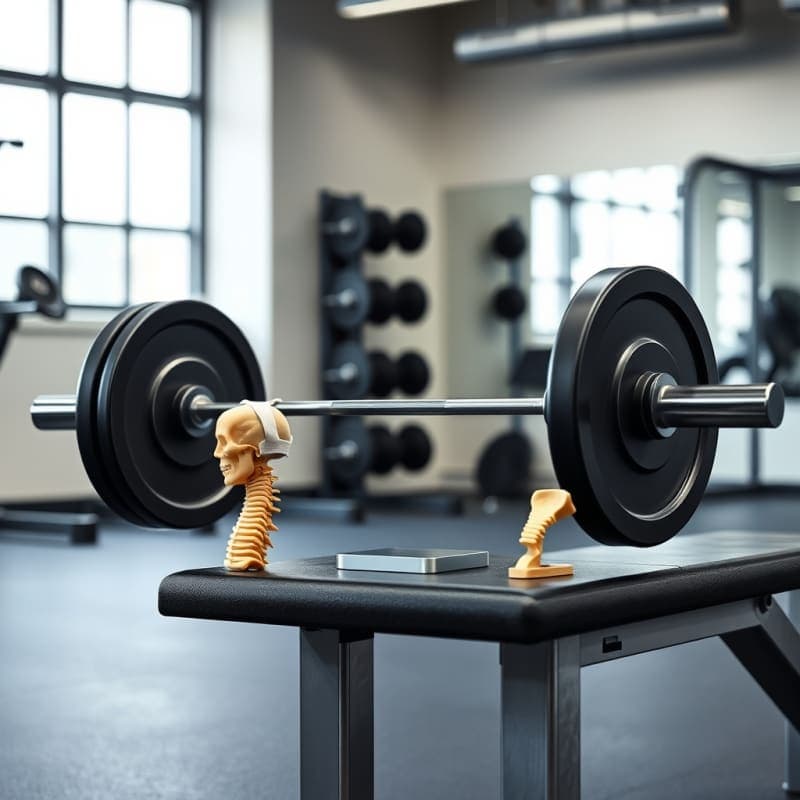
Neck Pain During Shoulder and Back Training: Why It Happens and How to Fix Your Technique
Why shrugs, rows, and deadlifts load the cervical spine, and how to fix your path, your posture, and your neck strength so the pain doesn't come back.
Tips, strategies and science for anyone who wants to stay active and consistent.

Why shrugs, rows, and deadlifts load the cervical spine, and how to fix your path, your posture, and your neck strength so the pain doesn't come back.

Training the same way every session quietly erodes your motivation to keep going, even when your body is still responding well. Here's what the research says about variety and adherence, and how to change things up without losing the progress you've built.

Learn why group cohesion in classes like CrossFit, spin, and functional training helps sustain consistency, according to research on exercise group dynamics, and how to put that effect to practical use.

Sarcopenia starts much earlier than it seems, quietly progressing from your 30s onward. Here's why strength training is the most effective defense against it, and how to adjust your routine in practice.

What population studies and strength-training reviews actually show about packing your weekly training into one or two days, and how to structure that format without losing results.

Everyone repeats that you need to "feel the muscle working," but few know what electromyography and mental imagery research actually prove about it.

The 10,000-step goal is more marketing than science. Here's what the research actually shows about how many steps make a real difference to your health.

Most people confuse core training with crunches. Here's what the core actually does, what the research says about its link to lower back pain, and how to build a routine that works.

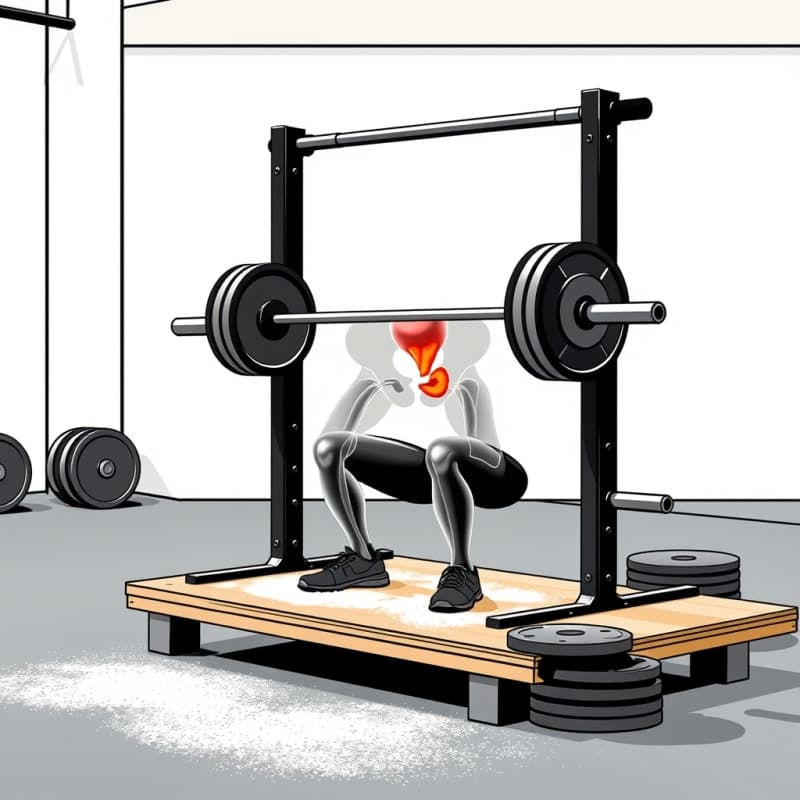
Why hip pain shows up specifically during squats and lunges, what individual hip anatomy has to do with it, and how to adjust stance, depth, and strength work without giving up on training.

Plantar fasciitis causes heel pain with your very first steps of the day and threatens the training streak of anyone who runs or walks. Here's the mechanism, the real risk factors, and what the evidence says about treating it without stopping training.

Separating what research actually supports about exercise, anxiety, and mood from what's just repeated common sense — and how to adjust your training load during stressful weeks without giving up your streak.

The 21-day rule has no scientific basis for exercise. Here's what gym-attendance research actually shows about how long it takes a workout to become automatic.

Resistance bands and free weights create different training stimuli, not the same one through another tool. Here's what the science says about strength and hypertrophy with bands, and when each tool makes the most sense.

The tempo of your music can change how far you run, how hard you pedal, or how much you can lift, but the effect is not the same for every type of training. Here's what the research shows, and how to build your playlist by phase.

A practical guide to telling mild symptoms from warning signs, understanding the real risk of training with a fever, and getting back to training without sabotaging yourself once you're sick.

Beta-alanine and citrulline malate show up in almost every commercial pre-workout blend, but the evidence behind each one is very different. Here's what the science actually confirms before you buy your next tub.

Taking an anti-inflammatory as a routine after every workout can block part of the very process that builds muscle. Here's what the research says about dose, age, and drug type before you reach for one out of habit.
Asking a stranger for help on a heavy lift makes plenty of people freeze up, but there's a clear way to ask for and give a spot that changes both your results and your safety.
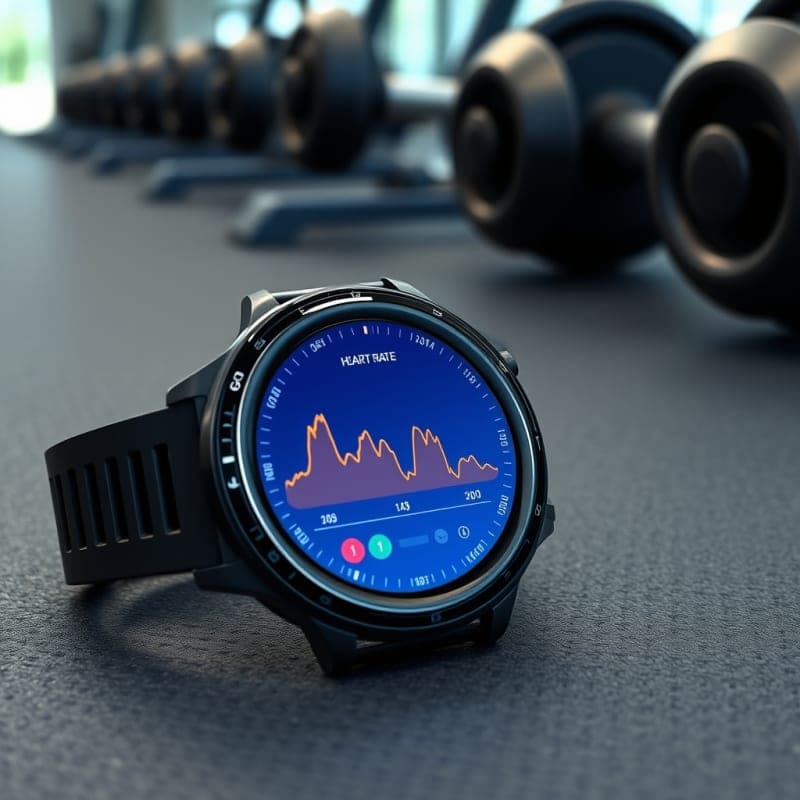
How to read heart rate variability and resting heart rate to decide, day by day, whether it's time to push the load or dial back the intensity.
Recent research shows that short, intense bursts of activity spread across the day can improve cardiorespiratory fitness even without a full workout session.
A practical guide to staying consistent with your nutrition at restaurants, barbecues, and while traveling, without obsessive calorie counting or giving up your social life.
Chronic tendon pain in the knee, heel, or elbow doesn't resolve with total rest — it responds to controlled, progressive loading. Here's the mechanism and how to keep training without making it worse.
How the Valsalva maneuver stabilizes your spine under heavy loads, the real risks to blood pressure, and when rhythmic breathing is the smarter choice.
When only one person at home trains regularly, it can become a source of tension. Here's how to protect your streak without nagging or constantly justifying your time.
Instead of relying on memory or motivation, learn to attach your workout to a habit that already happens automatically in your routine.
What the research says about combining cardio and strength training in the same routine, when the interference effect actually shows up, and how to structure your week to make progress in both.

Shin splints are one of the most common injuries for people ramping up running volume. Learn what causes them, when they need medical attention, and how to get back to training without repeating the mistake.

Overtraining isn't the same as normal training fatigue. Here are the physical and psychological signs of overtraining and what to do to reverse it before performance suffers for months.

The order you do your exercises in changes how much effort is left for each one. Here's what the research says about sequencing compounds, isolation work, cardio, and core.

Missing a workout rarely wrecks a streak on its own — the inner monologue that follows does. Here's what the research says about self-compassion, self-criticism, and getting back on track.

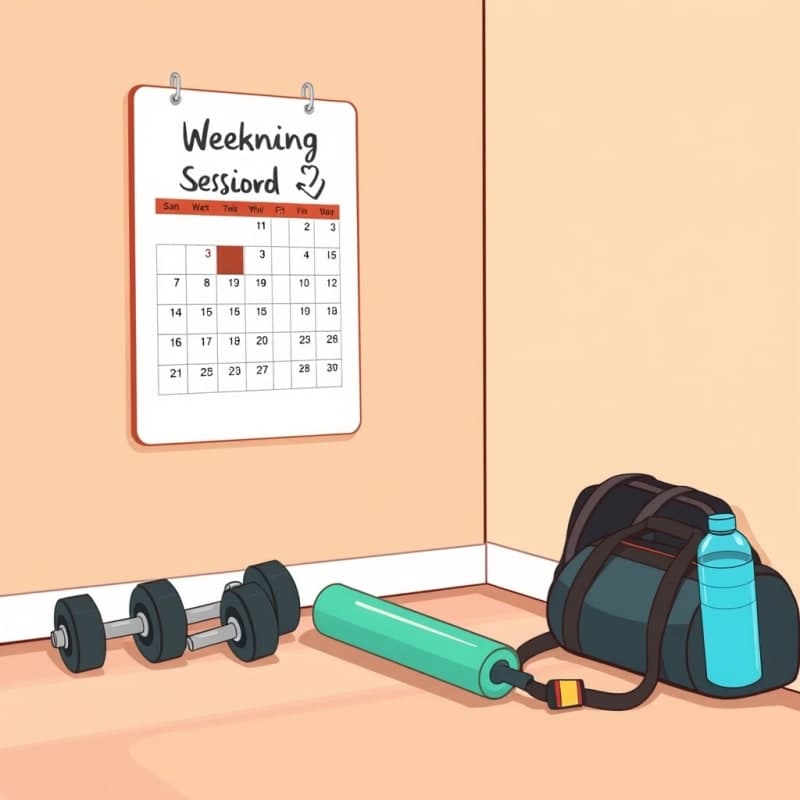
Laying out clothes, packing your bag, and locking in a fixed time aren't small details — they're what turns training from a daily decision into an almost automatic habit.

How sharing your workouts with a small group shapes your consistency through social visibility, and why it works better than training in anonymity.

Not everything you can log about a workout matters. Here's what data genuinely helps you progress and what just makes tracking tedious enough to quit.

Two people start training for the same external reason, but only one is still going months later. Here's what motivation science says about why that happens and how to build internal reasons to train.

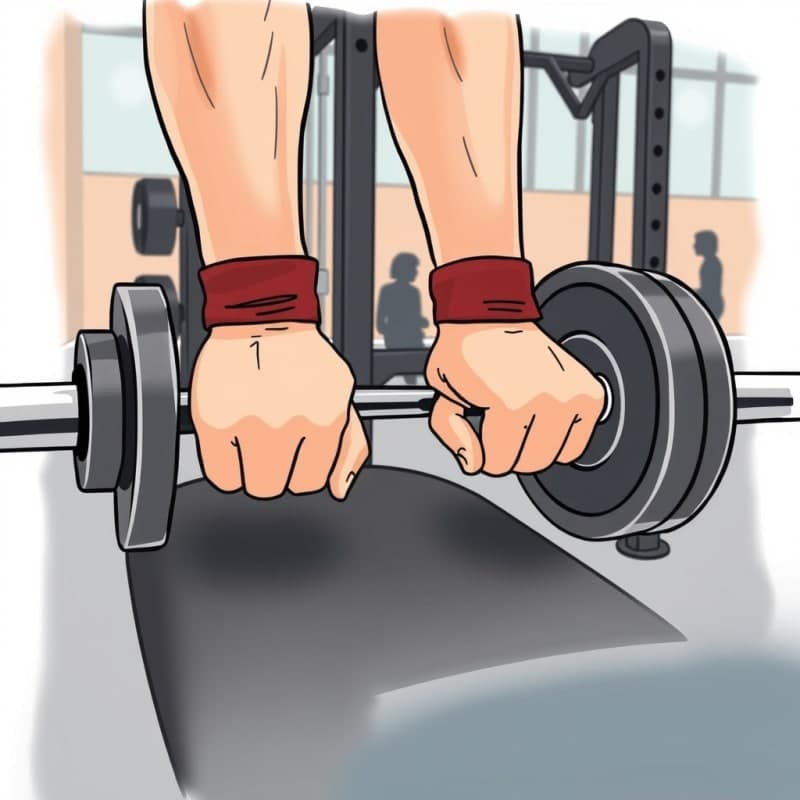
Hand strength is one of the most studied health markers in science and the hidden bottleneck in nearly every pulling exercise. Here's what the research shows and how to train it without adding a whole new workout.

Training on an empty stomach is common among intermittent fasters, but the effect isn't the same for cardio and strength work. Here's what the research shows about performance, fat burning, and muscle preservation while fasted.

A rest day doesn't have to mean total stillness. Here's what the science says about active recovery and how to structure a light day that speeds up recovery instead of stalling it.

How to size your caloric deficit, how much protein to prioritize, and why strength training can't take a back seat if you want to lose fat without losing strength or muscle.

Why your wrist hurts on the bench press, front squat, and overhead press, and the grip, shoulder mobility, and load adjustments that fix the actual cause instead of just the symptom.

That feeling of being evaluated at the gym has a name in exercise psychology and drives a lot of people to avoid training. Here's the mechanism behind it and what actually reduces it over time.

Cycle-based training adjustments have become trendy, but the research shows the hormonal effect on strength and hypertrophy is too small to build a rule around. Here's what actually changes and how to adjust without a calendar.

The science of motivation explains when prizes help you stick with training and when they can quietly undermine the real reason you keep going.

Epicondylitis, pain on the inner or outer elbow, is common among lifters who train arms hard. Learn the cause and how to adjust load and technique without stopping.

Foam rollers are sold as a recovery shortcut, but the research points to something more modest: a real, temporary effect on mobility and muscle soreness.

A well-designed short workout delivers the same stimulus as a long one. Here's how to pick exercises, use supersets, and build a twenty-minute session that actually happens.

The interference effect between cardio and strength training is real, but smaller than most people think. Here's what the research says about order, cardio type, and spacing sessions apart.

Understand what the heart rate zones on your watch or app actually mean, what the research says about the popular "zone 2" trend, and how to use that number to train smarter.

Strength and power shift throughout the day because of your body clock, but your body adapts to whatever time you train consistently. Here's the mechanism and how to pick your slot.

What research shows about how alcohol affects muscle protein synthesis, recovery hormones, and sleep, and how to balance social drinking with serious training.

A behavioral psychology technique tested in controlled studies turns your intention to train into automatic action, moving the decision away from the moment your willpower runs out.

The science of social support and public commitment explains why telling someone your training plan beforehand changes behavior more than willpower alone.

Shoulder pain during pressing exercises is common and often ignored. Learn the mechanism behind it and which grip, elbow, and shoulder blade adjustments actually help.

The scale alone hides as much as it reveals. Here's why your weight fluctuates, what bioimpedance scales get wrong, and how to use photos and measurements to see what's actually changed.

Cold plunges became a training ritual for a lot of people, but the science shows the effect depends entirely on your goal. Here's when cryotherapy helps and when it works against your strength and muscle gains.

Water gets overlooked in most training routines, but even mild dehydration already reduces strength and power. Here's how much to drink at each stage of your workout.

How many weekly sets per muscle group actually drive muscle growth, based on applied training science, and how to adjust that number to your recovery.

Rest time between sets shapes your results as much as the weight on the bar — here's how long to wait depending on your goal, the exercise, and the muscle group.

On the days motivation disappears, a minimal plan decided in advance keeps your streak alive and protects the progress you've already built.

Hiring a personal trainer is expensive and not always necessary. Here's what the evidence says about professional supervision and when it truly moves the needle on your training.

Squat knee pain isn't about how far your knee travels past your toes — the real issue is usually alignment and ankle mobility. Here's how to spot and fix the actual cause.

Static and dynamic stretching have opposite effects depending on timing. Here's what the research says about when each type helps and when it hurts performance.

What the research actually shows about training frequency per muscle group, and why the answer depends more on total weekly volume than on a fixed number of sessions.

How much to take, when to take it, and whether coffee and supplements make a difference — what the research actually shows about pre-workout caffeine, without overdoing it or wasting the effect.
Learn what RPE and RIR are, how accurate your own perceived effort really is according to research, and how to apply these scales in training instead of relying only on 1RM percentages.
Social media and workout apps put your progress right next to everyone else's. Here's what social comparison actually does to your motivation, and how to use it in your favor instead of letting it derail you.

What the research actually shows about training close to muscular failure, and why the answer differs between hypertrophy and strength.
After a long break, the instinct is to make up for lost time by training hard from day one — and that is exactly what makes so many people quit again. Here is what the research says about how much you actually lose during time off, and how to ease back in without getting hurt.
Research shows that stopping training because of low back pain usually slows recovery instead of speeding it up. Here is how to adjust load, exercises, and frequency to keep training safely.
Learn what a deload actually is, how often to schedule one, and how to cut training volume or intensity without losing the strength and momentum you've built.
How creatine works in muscle, what meta-analyses show about strength gains, and what to actually do, and skip, when you supplement.
Learn to tell normal post-workout muscle soreness apart from a real injury signal, backed by research, so you know when to keep training and when to stop.
See how much protein per kilogram of body weight the science actually supports for building muscle — and why eating more than that doesn't speed things up.
What exercise science says about how much weight to add, when to trade reps for load, and how tracking your training gets you off autopilot at the gym.
How to test your one-rep max safely, understand what the number actually tells you, and use it to track real strength progress over time.
Travel is the most common reason a workout streak breaks. Here's what the science says about the minimum dose needed to protect your progress, plus a 15-minute hotel-room routine you can do anywhere.
What the evidence actually says about eating before and after a workout — and why the exact timing window matters less than you think.
No gym nearby? Here's how to apply real progressive overload with just your bodyweight, in a few square feet, without losing your training consistency.
Why the generic warm-up doesn't prepare your body for training, and how to build a specific one that lowers injury risk and improves performance from your very first set.
A fixed training partner works differently from a big group: it creates a direct, personal commitment. See how to pick the right person, agree on clear rules from the start and keep the partnership working long term.
A practical guide to finding the right weight to start each exercise, avoiding injuries from too much load and not wasting workouts with weights that are too light.
Why sleep is part of training, not an optional extra: what happens in your body while you sleep, how much you need and how to protect that recovery.
The load stops going up, the mirror always looks the same and the workout that used to work stops delivering. Understand why plateaus happen and how to use your own records to know whether it is real — and how to break it.
An injury interrupts your training, but it does not have to interrupt the habit. See how to handle forced time off, redefine what counts as an active day and rebuild progression without getting hurt again.
The soreness that shows up a day or two after training scares a lot of people and takes down entire streaks. Understand why it happens and what to do in practice to keep training without making it worse.
Discover the most powerful mental strategy to protect your routines on hard days and avoid the snowball effect of failure.
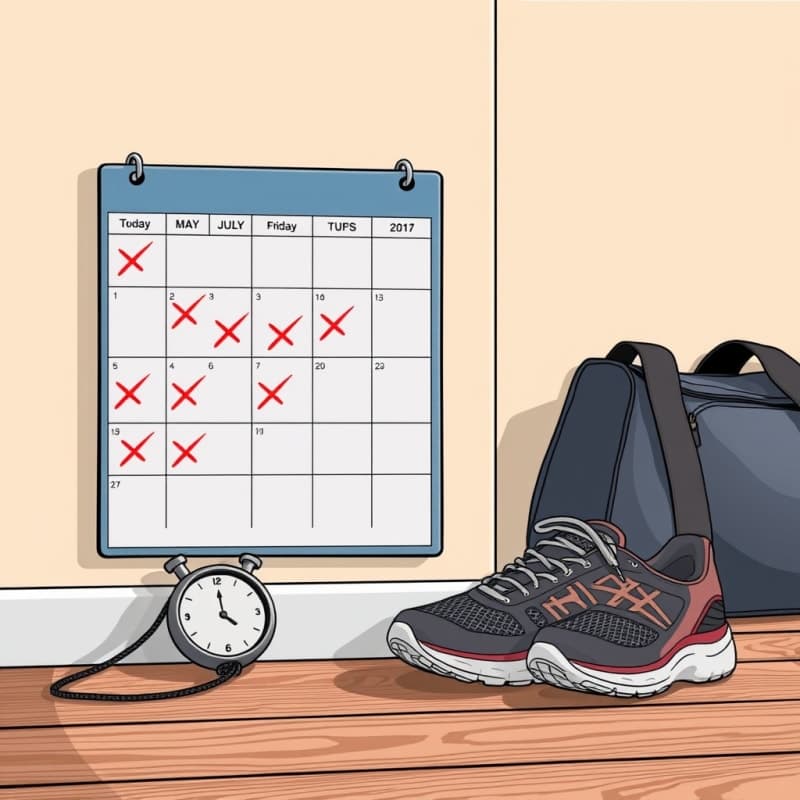
Discover how daily tracking creates visual proof of your success and drives a definitive change in behavioral identity.
Discover the deep psychology behind daily streaks and how a relentless focus on consistency can completely rewrite who you are.
Motivation is a glorified sham that abandons you at the worst possible moments. Learn how to build failure-proof systems that guarantee your progress even when you have no desire to act.
Discover the science of behavior change and build an elite routine step by step.
Without tracking, there is no way to know whether what you are doing is working. Find out what is worth logging, how to review your data and how to turn numbers into decisions.
Training with company goes far beyond having someone around. See how the social side of exercise directly affects your consistency, your performance and your results.
Learn practical strategies to keep your streak alive through hard weeks, travel, a packed schedule and the days when motivation simply disappears.
Workout intensity is overrated. See why showing up consistently beats any advanced protocol, and how to calibrate your training for lasting results.
Understand the psychology behind streaks, how they create daily motivation and why counting consecutive days is one of the most powerful tools for staying active.
Find out why consistency matters more than intensity and learn a step-by-step method to build a workout routine you will actually stick to.